Testamentum
feature film | 84 min
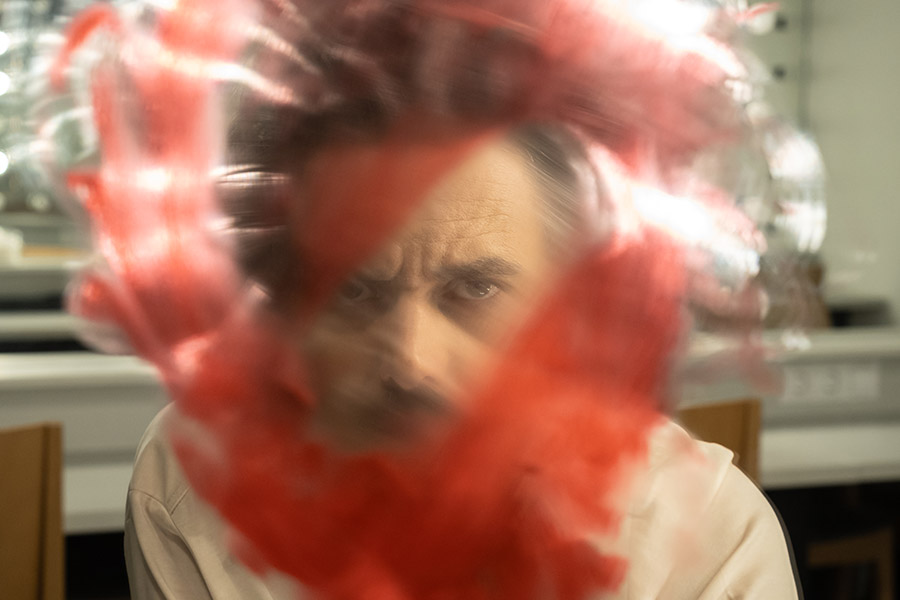
The mosaic-like episodes of the most critical period of the life of Béla Bartók, perhaps the most significant personality of Hungarian culture, in connection with his emigration, and the thoughts of a young, contemporary Eastern European director’s personal search for a path, form the defining dramaturgical structure of the film.
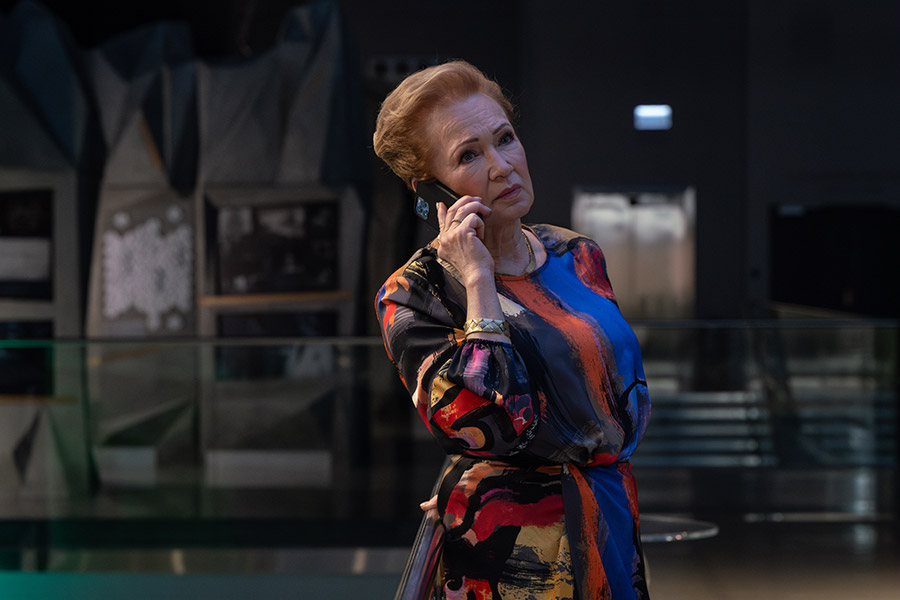
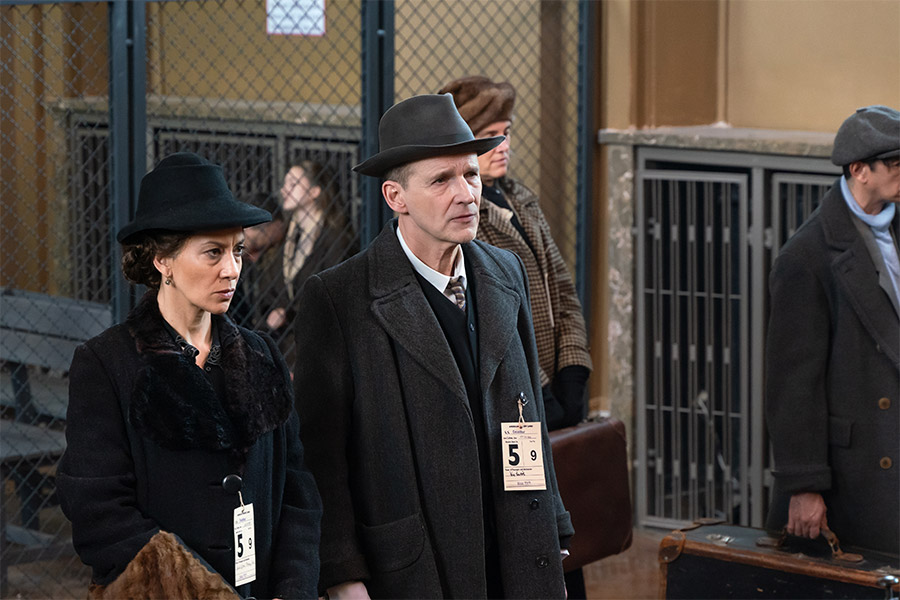
Bartók emigrates from a European culture that was mortally wounded in the destructive fury of war. The civilization he hoped for from the New World (USA) is foreign to him, he cannot find a home. It is a painful realization for him that he cannot break away from his roots, from the culture he absorbed with his mother’s milk, which in this world is no longer the same as what he experienced, what he believed in, and what he hoped for. He is foreign and lost. His refuge can only be the complete realization of the creation conceived from his soul. His morality, spiritual and intellectual commitment tolerate neither compromises nor self-deception with flimsy successes. And he perishes in this. For Bartók, the loss of his homeland and traditions is spiritual and then voluntary physical euthanasia. Dan Bacsics, the young Central European director, follows the same path, but in reverse, from America to Budapest. Dan is the one who believes he has found his roots in the interpretation of Bartók’s work, and realizes that this identification with the Maestro-Master is also his own story. Giving up his glittering successes, he searches for the true meaning and values of his life in Budapest. This structure simultaneously reflects the defining dilemmas of the two personalities of the two eras, and the reversed dramaturgical construction in the fates of the two individuals intensifies the drama of the film and the traumas of the main characters. Thanks to this structure, we can recognize the unavoidable questions of the identity of human destiny searching for its identity across eras. Understanding Bartók, the realization of his work, “The Castle of Prince Bluebeard”, and the desire to find the mythologically mentioned fictional element, the Testament, lead him along the path on which he can find himself. According to his hopes, worthy of Bartók-Maestro’s intellectual legacy. The film’s question is whether, despite the threat to the values of the world, there is still a way back, is there hope for a valuable human life? For the future… The main plot of the film, inspired by Bartók’s spirituality but not a biographical one, presents the suffering process of the American, last period. The documentary elements and the fictional episodes convey the ordeal of the creator who lost his homeland, was left alone, and was seriously ill. This is reinforced by the figure of his last muse, the imaginary Mimi. Dan, in search of his own roots, realizes the Bluebeard direction in Budapest, which determines his entire fate. The peculiar and often shocking similarities between the present and the past create the dramatic fabric of the film. The film, produced by Endre Nagy and directed by András Surányi, aimed to realize a story told in an original film language. The episodes of Bartók’s life do not reflect a philologically accurate biography, but rather, in the form of the Maestro, universal human values. Knowing the fate of Bartók’s oeuvre, it is an unavoidable question to show the poignant power of faith, roots, patriotism, and moral ethos. In the structure of the film, the creators therefore use archival photos, film moments and original, faithful quotations in key situations. (BB. correspondence, interview excerpt, libretto, archival film excerpt, interviews with Péter Bartók and Ditta Pásztory.) For Dan, the dramaturgical-psychological support in these questions is the immortal work “The Castle of Prince Bluebeard”. In this process, Dan increasingly comes to know himself, and one of the most important motivations for this is the understanding of the supposed creative Testament. This is, of course, a fiction in which posterity seeks to “unravel the secret”, and in the process, he realizes the true Bartók message: only from a “pure source” can a lasting and eternal work be born. Human relationships make the tense emotions, attachments, fears and dramatic fluctuations of inner loneliness in both heroes – Bartók and Dan – credible with a very delicate fabric. The visual world of the film also follows these two dramaturgical trends: the monochrome of the archive world is organically connected to the more disturbed and colorful visual processing of the present. The film world uses stylized elements to indicate the world of the 40s and the cruder frames of today’s scenes. We hope that in this film we can create a lasting cinematic memory for Béla Bartók.
Director - Surányi András
Producer - Nagy Endre, Barathy Boglárka
Screenwriter - Surányi András
Cinematographer - Borbás István
Editor - Ostoros Ágnes, Surányi Ádám
Composer - Káel Norbert
Sound - Zányi Tamás, Vaskó Péter
Production Design - Nemetz Alex
Costume - Schilling Kolos
Main Cast - Zsótér Sándor, Keresztes Tamás, Török-Illyés Orsolya, Jordán Adél, Kárász Emese, Kocsis Gergely, Udvaros Dorottya
Production Company - B&L Line Kft.